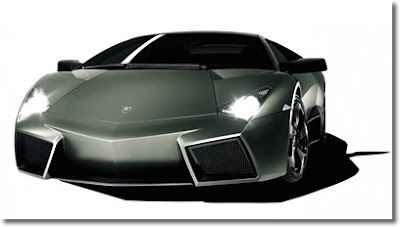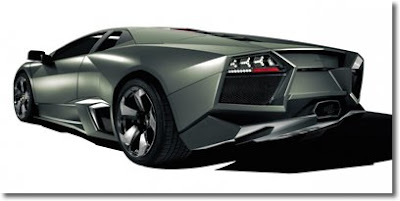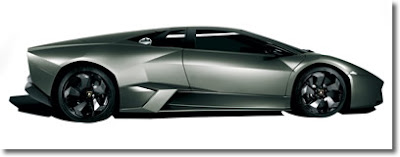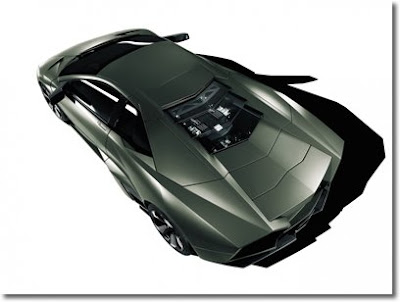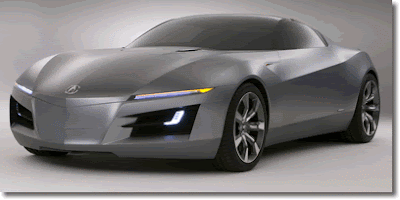
The Acura "Advanced Sports Car Concept" made its world debut at the 2007 North American International Auto Show. The dynamically styled concept provides a preview of the design direction for the successor to the Acura NSX.Created to take exotic sports car styling to a new level, the concept is designed to incorporate a powerful front-mounted, V-10 engine and a new high-performance, rear-wheel-drive based version of Acura's exclusive Super Handling All-Wheel Drive (SH-AWD).
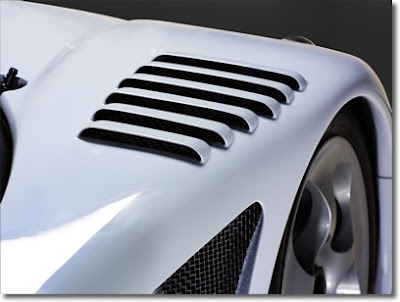
The concept's exterior demonstrates a dynamic fusion of advanced technology and emotion. The long, pronounced hood features deeply sculpted lines and embossed air vents, both of which hint at the powerful engine beneath. The exterior lines run the length of the body, creating a ribbon-like effect from the front headlights to the rear wheel arches, evoking a feeling of movement and power.
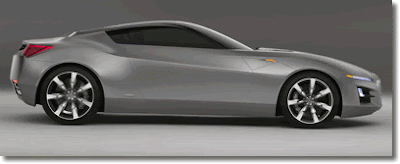 Although modern in its appearance, the Advanced Sports Car Concept retains the subtle cues associated with its predecessor, the NSX. The concept's slim, LED headlights are pushed wide and designed to mimic the pop-up headlights found on the first generation NSX. Other styling hints include a modern take on wraparound rear taillights and the all black cockpit.
Wide and low to the ground with a 108.8 inch wheelbase, the concept is anchored by grippy 19 inch front and 20 inch rear performance tires which are mounted to custom billet-machined, polished aluminum wheels. Powerful, ventilated carbon ceramic brake discs and eight-piston calipers accent the wheels. Bold wheel arches and flares add to the concept's aggressive appearance.
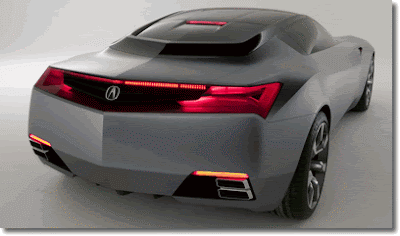 The low slung cabin is constructed entirely of tinted glass and sits flush against the body. Door handles are also flush mounted, allowing the sports car to retain a clean and aerodynamic appearance. The Advanced Sports Car Concept features a carbon fiber underbody and the rear is finished with aggressive quad exhaust pipes and integrated rear diffusers, further communicating its high performance potential.
The concept's exterior demonstrates a dynamic fusion of advanced technology and emotion. The long, pronounced hood features deeply sculpted lines and embossed air vents, both of which hint at the powerful engine beneath. The exterior lines run the length of the body, creating a ribbon-like effect from the front headlights to the rear wheel arches, evoking a feeling of movement and power.
 Although modern in its appearance, the Advanced Sports Car Concept retains the subtle cues associated with its predecessor, the NSX. The concept's slim, LED headlights are pushed wide and designed to mimic the pop-up headlights found on the first generation NSX. Other styling hints include a modern take on wraparound rear taillights and the all black cockpit.
Wide and low to the ground with a 108.8 inch wheelbase, the concept is anchored by grippy 19 inch front and 20 inch rear performance tires which are mounted to custom billet-machined, polished aluminum wheels. Powerful, ventilated carbon ceramic brake discs and eight-piston calipers accent the wheels. Bold wheel arches and flares add to the concept's aggressive appearance.
 The low slung cabin is constructed entirely of tinted glass and sits flush against the body. Door handles are also flush mounted, allowing the sports car to retain a clean and aerodynamic appearance. The Advanced Sports Car Concept features a carbon fiber underbody and the rear is finished with aggressive quad exhaust pipes and integrated rear diffusers, further communicating its high performance potential.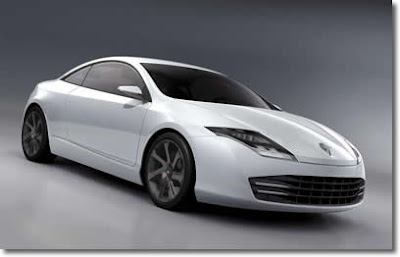
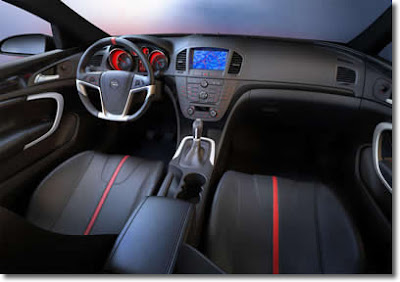
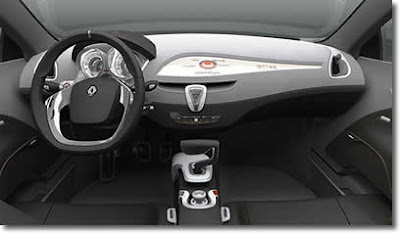 Laguna Coupe Concept's cabin is exactly how the cabin of a high-end Coupe should be. The dash draws on the principal stylistic features of New Laguna, albeit in a more exclusive manner. With its soft, pure lines, it appears weightless and airy. The wave-shape of the central strip is the guiding theme, while two side vents close off a long air-conditioning strip that runs the entire width of the windscreen.
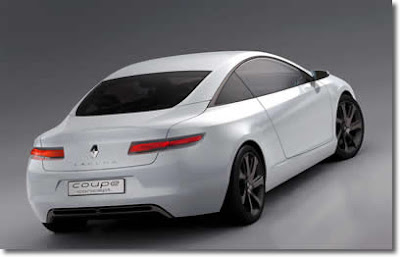 Laguna Coupe Concept makes a statement about its owner's life-style and personality. A car for the car-lover, it appeals to 40-somethings who are passionate about automobiles and motor sport - connoisseurs who are demanding, ambitious, and driven by a desire for professional success. Prone to falling in love with a car at first sight, they are quite capable of changing brand, and will appreciate the style, the technology, and the design and production qualities of Laguna Coupe Concept.
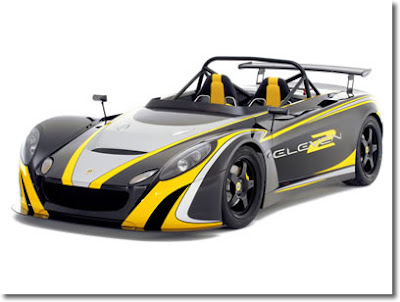
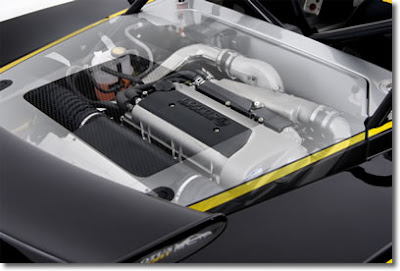 The supercharged and intercooled 1796 cc engine in the Lotus 2-Eleven has a maximum power output of 252 bhp at 8000 rpm and a torque figure of approximately 179 lb-ft at 7000 rpm. This
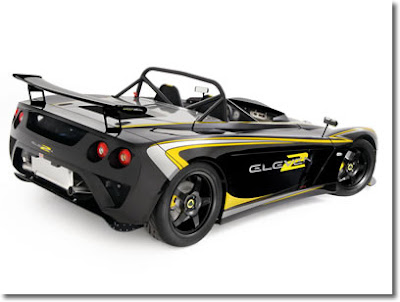 A sports-type clutch plate and heavy duty clutch cover transfer the engine power and torque to the lightweight aluminum C64 six-speed gearbox (with an aluminum casing) - with the same perfectly spaced ratios as the Exige S. An open type differential is fitted as standard. The Lotus switchable Traction Control System (LTCS) works through the engine, reducing power to maintain traction; it is active above 5 mph and reacts much more quickly than many brake-based systems.
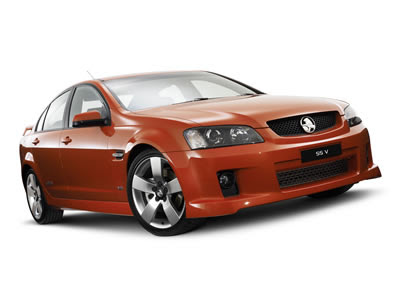
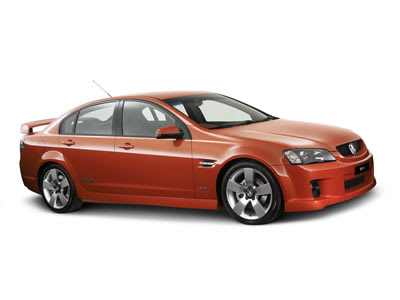
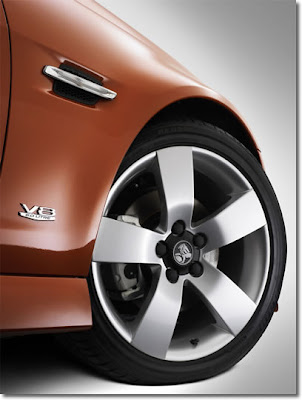
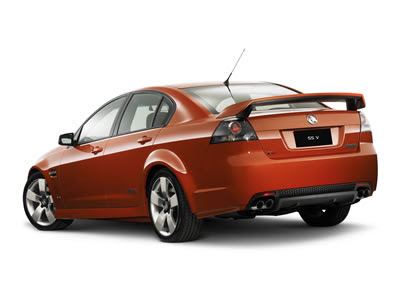 The fourth generation Commodore is safer, offers more technology and delivers more features and value than ever before. Interiors, exteriors and major mechanical features have been totally redesigned or upgraded, representing the most clean-sheet car program in Holden history.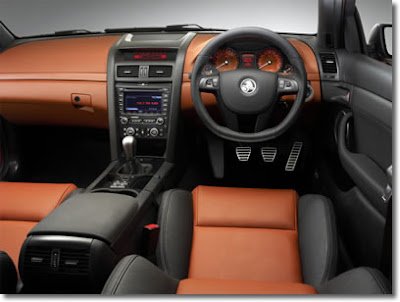
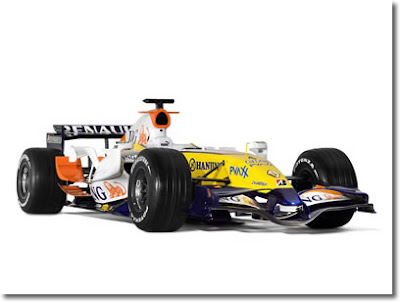 The ING Renault F1 Team roars into F1 with the launch of its R27 racer, aiming for continued on-track success. The ING Renault F1 Team nailed its new colors to the mast with the launch of the all-new R27 F1 car and a striking visual identity. The ING Renault F1 Team signales its arrival in Formula 1 in style, with a spectacular media presentation in front of 600 VIPs and media in Amsterdam today (1/24/2007). Winners of consecutive world championships in 2005 and 2006, the team proudly unveiled new title partner ING and the striking new livery that will adorn the R27 cars throughout the 2007 season and beyond.
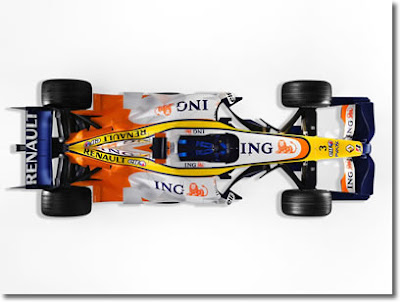 The ING Renault F1 Team's 2007 challenger has been christened R27. The new car represents an evolution of the design philosophy that won world championship success in 2005 and 2006. Every part of the car has been designed to meet demanding performance criteria that will enable the team to maintain its front-running performance. The aerodynamic packaging represents a further step forward over its predecessor in terms of overall efficiency, and innovative solutions have been employed in a number of areas to achieve improved performance under stable technical regulations. The car also features a new 'instantaneous gearchange' seven-speed gearbox, and has been designed with maximum set-up flexibility in order that its dynamic characteristics can be tuned to suit the Bridgestone Potenza tires that will be used by every team in 2007.
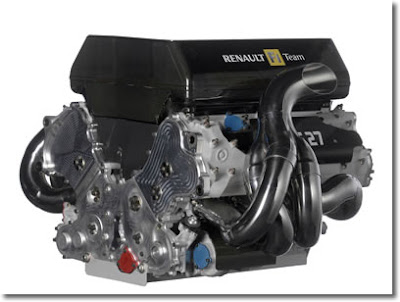 The new car will be powered by the 2.4L V8 RS27 engine, which has been designed to the requirements of the 'engine homologation' regulations which will be in force for 2007 and beyond. Conceived to limit expenditure on engine development, these rules specify that no performance improvements can be made to the engine relative to the definitive specification that will be submitted to the FIA by 1 March 2007. The engine is based on the RS26 V8 engine that competed in the Chinese and Japanese Grands Prix last season, and has been re-tuned in line with modifications permitted by the regulations for the new maximum rev limit of 19,000 rpm that will be imposed on all competitors.
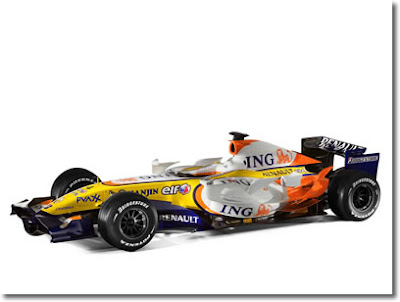 The RS27 engine will also equip the cars of Red Bull Racing during the 2007 season, under the terms of a new engine supply agreement. The agreement specifies that both teams will use the same specification of engine, and a team of Renault F1 Team engineers will provide trackside support to Red Bull Racing. The new agreement marks the continuation of a tradition that begin in 1983, and which has seen customer Renault engines win 80 Grands Prix since that time. "We are very much looking forward to the new challenge, which is part of Renault's racing tradition," explained the team's Head of Engine Track Operations Denis Chevrier. "We will be looking to derive maximum benefit from every kilometer completed by a Renault engine, to improve the performance and reliability of all four Renault engines on track. But Red Bull Racing will remain a competitor like any other for the ING Renault F1 Team. We have established very clear operating principles for the new relationship, and look forward to an honest, trusting collaboration with our new partners."
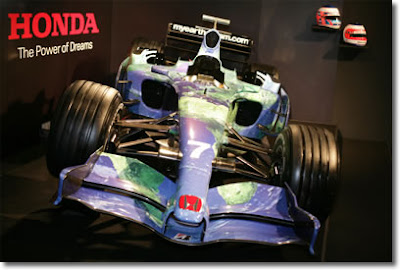 Following a successful debut for the Honda Racing F1 Team’s new RA107 race car on the Circuit de Catalunya near Barcelona, the team’s management and drivers provided a technical insight into the car and their first impressions of the new challenger from the track.
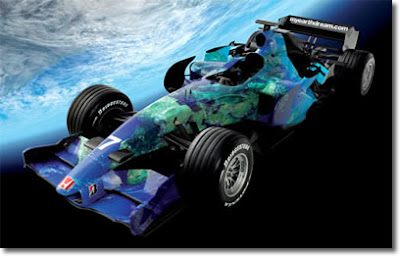 The car's new look is a powerful call to action for fans, sponsors, customers and members of the public to join Honda's commitment to help address the environmental issues facing the world.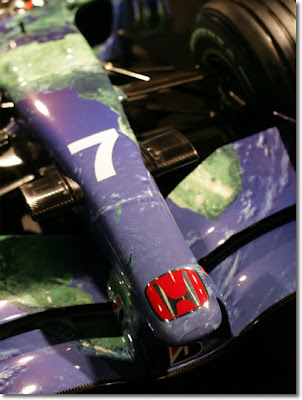
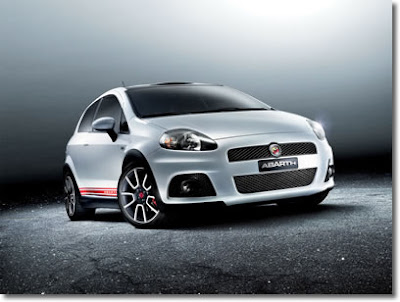
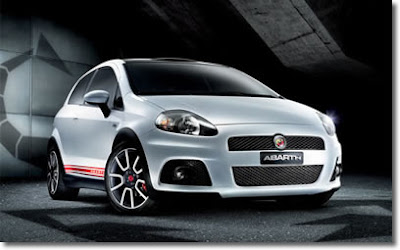
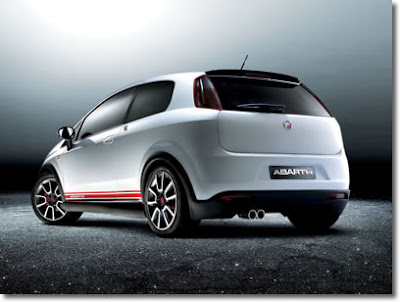 Powered by a 2000cc normally aspirated engine that delivers 270 bhp, with 4-wheel drive, the latest Grande Punto Abarth S2000 is a development of the machine that won the 2006 Italian Rally Championship with Paolo Andreucci and Anna Andreussi, winning 7 of the 11 events in the series. During the same season, Giandomenico Basso/Mitia Dotta also won the European Rally Championship and the International Rally Challenge, with a similar car.
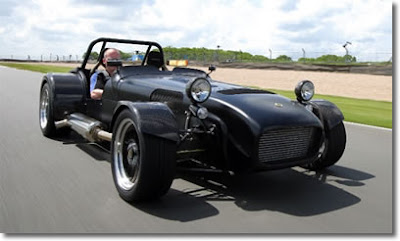 To celebrate its 50th anniversary, Caterham has unveiled the most powerful Seven ever; the X330 - a one-off supercharged model boasting a mind-boggling power-to-weight ratio of 600 bhp per ton.
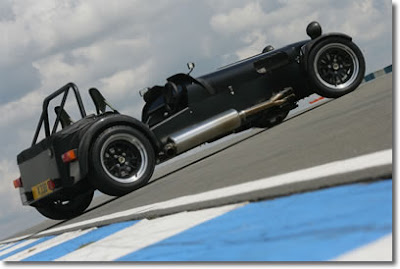 That means the X330's equivalent power-to-weight ratio puts it ahead of the Bugatti Veyron (521 bhp per ton) and the McLaren F1 (559 bhp).
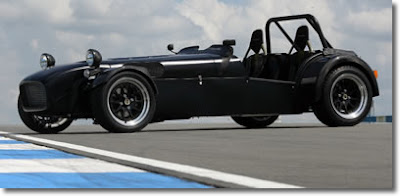 As the X330 is an engineering test bed, it is envisaged that some of the concepts will eventually find their way into production. To begin with the X330 will spearhead the British firm's R&D into bioethanol power in the coming months as it seeks to assess the viability of alternative fuel sources in road and race applications and cement a further 50 years of history for the legendary Seven.
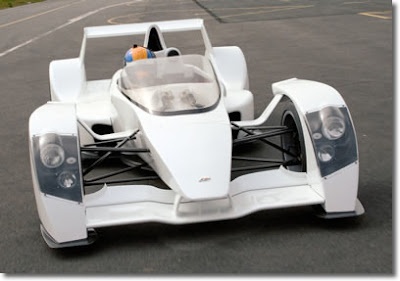 The dramatic 1,000bhp-per-tone T1, which defines an entirely new breed of supercar that is lighter than a Caterham but with twice the power-to-weight ratio of a Bugatti Veyron, was unveiled at the 2006 Top Marques show in Monaco by His Serene Highness Prince Albert II.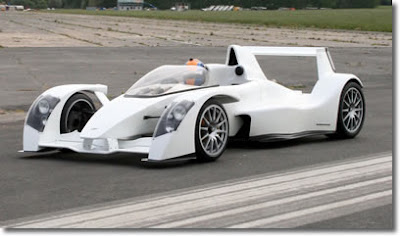
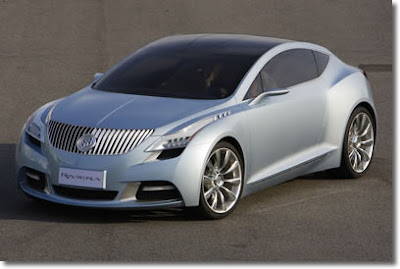 The Buick Riviera, a concept car designed to showcase Buick's new global design direction, made its global debut at the Auto Shanghai 2007.
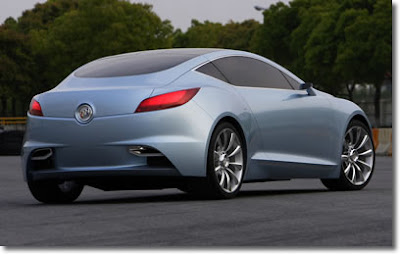 The Buick Riviera, with its tightly stretched carbon fiber body panels, combination of positive and negative curves, strong front and rear identities and gullwing doors, captures the essence of Buick classics, Welburn said, while presenting a thoroughly 21st century design.
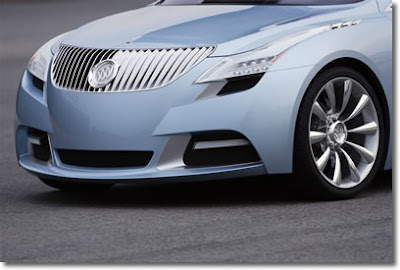 The Buick logo leads into a reflective strip through the hood, a mark of respect to the distinctive mid-hood crease prevalent in classic Buicks. Elongated LED headlamps flow up the hood sides to three-section, top-mounted chrome portholes as a single piece of jewelry.
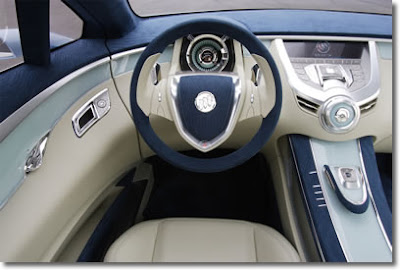 The three-dimensional speedometer, inspired by past classics but utterly modern in design, compliments the touchpad styled central console loosely modeled on a computer mouse. An LCD display screen crowns the central console.
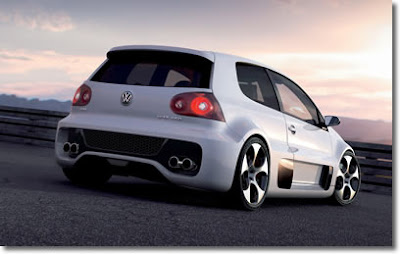
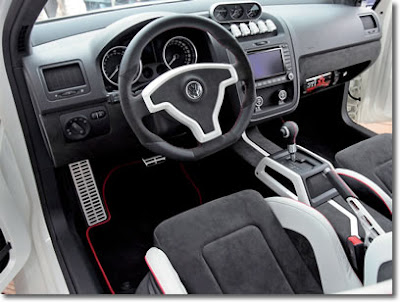
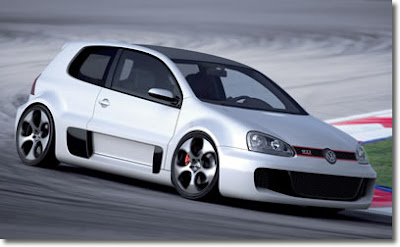 Daring to create something unique, leaving conventions behind and awakening passion - these have been at the heart of the GTI concept since its inception. To date, more than 1.67 million car drivers have fallen under its charm. Since 1982, its greatest fans have been celebrating it every year at the Wörthersee in the Austrian state of Kärnten. For this occasion, Volkswagen has put a Golf on wheels that is like no other: The GTI W12 650 showcar. This sports car is a tribute to our GTI friends at the Wörthersee, car fans who made the GTI a legend. It is a concept that was designed just for them.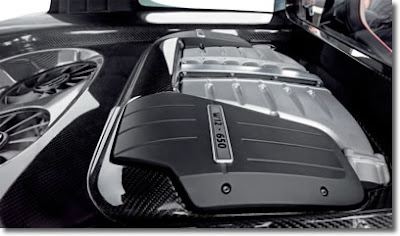
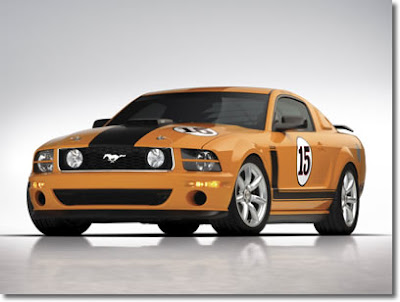
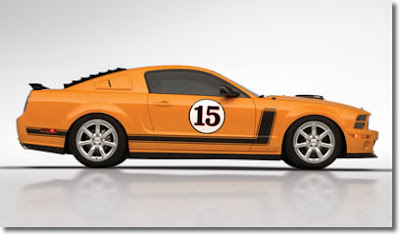 Today’s Saleen Mustang Parnelli Jones Limited Edition reflects the same authentic vintage attitude but comes complete with a new Saleen 302 cid V-8, 3-valve engine. This engine produces a whopping 370 horsepower at 6000 RPM, and with 370 ft-lb of torque at 4000 RPM.
 Also included in this Limited Edition are new Saleen 302 valve covers. Completing the authenticity and providing additional high performance capabilities is the new exhaust system that provides a low- resonating sound that is a legacy of Saleen.
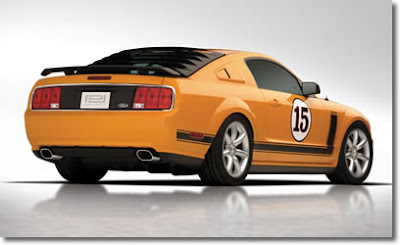 Completing the overall effect, the new Limited Edition comes with Saleen performance styling including front fascia with racing-style air dam, side skirts, rear fascia, rear 1970 replica wing, trunk insert license plate panel with chrome trim, rear window quarter panels, and a racing-style billet gas cap. Demonstrating further the authenticity of this retro-beauty, Parnelli’s racing number, 15, removable and reusable static cling race decals, and the Ford blue oval are displayed – just like the one that appeared on Parnelli’s 1970 Boss 302 Mustang.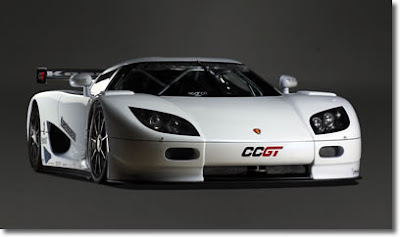
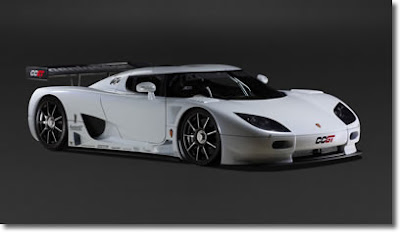
 The CCGT has very short overhangs, which could be seen as an issue when it comes to generating enough downforce. However, by further developing the clever and “slippery” design concept of the CC range, Koenigsegg believes they have created a unique package incorporating a surprising amount of downforce combined with a very compact package and optimal weight distribution. Since the CCGT has a short overall length and low overall height, whilst still maintaining adequate track width and length, it is thereby gifted with superior agility compared to most of the competition, which should be evident in future heated racing combats.